



Concrete Sealing Naperville: Garage Floor, Driveway & More
Concrete holds up well over time, but bare surfaces still take on moisture, stains, and surface wear. Sealing is a simple way to protect concrete that is already in good condition and make it easier to live with long term. In addition to our paver and patio restoration services, The Poly Guys LLC provides professional concrete sealing services throughout Naperville and nearby areas, helping homeowners protect garage floors, driveways, walkways, and exterior slabs. To schedule a walkthrough or ask questions about your concrete surfaces, call (331) 333-0363.
Request Your Free EvaluationWhat Concrete Sealing Is (And What It's Not)
Concrete sealing is a protective treatment, not to be confused with a coating system. The goal is to reduce absorption, limit staining, and slow surface breakdown without changing how the concrete looks or functions. Sealing penetrates the surface and helps repel moisture rather than building a thick layer on top.
This service is different from epoxy floors, flake systems, resurfacing, or decorative overlays. If concrete is cracked, failing, or structurally compromised, sealing is not a substitute for repair. We focus on sealing concrete that is sound and ready for protection, and we are upfront when sealing is not the right solution.
Concrete Surfaces We Commonly Seal
Garage Floor Sealing
Garage floors see constant exposure to oil drips, road salt, moisture, and tire residue. Sealing helps reduce absorption and makes the surface easier to clean over time. While it does not turn a garage into a showroom floor, sealing offers practical protection that supports day to day use without altering the natural concrete surface.
Concrete Driveway Sealing
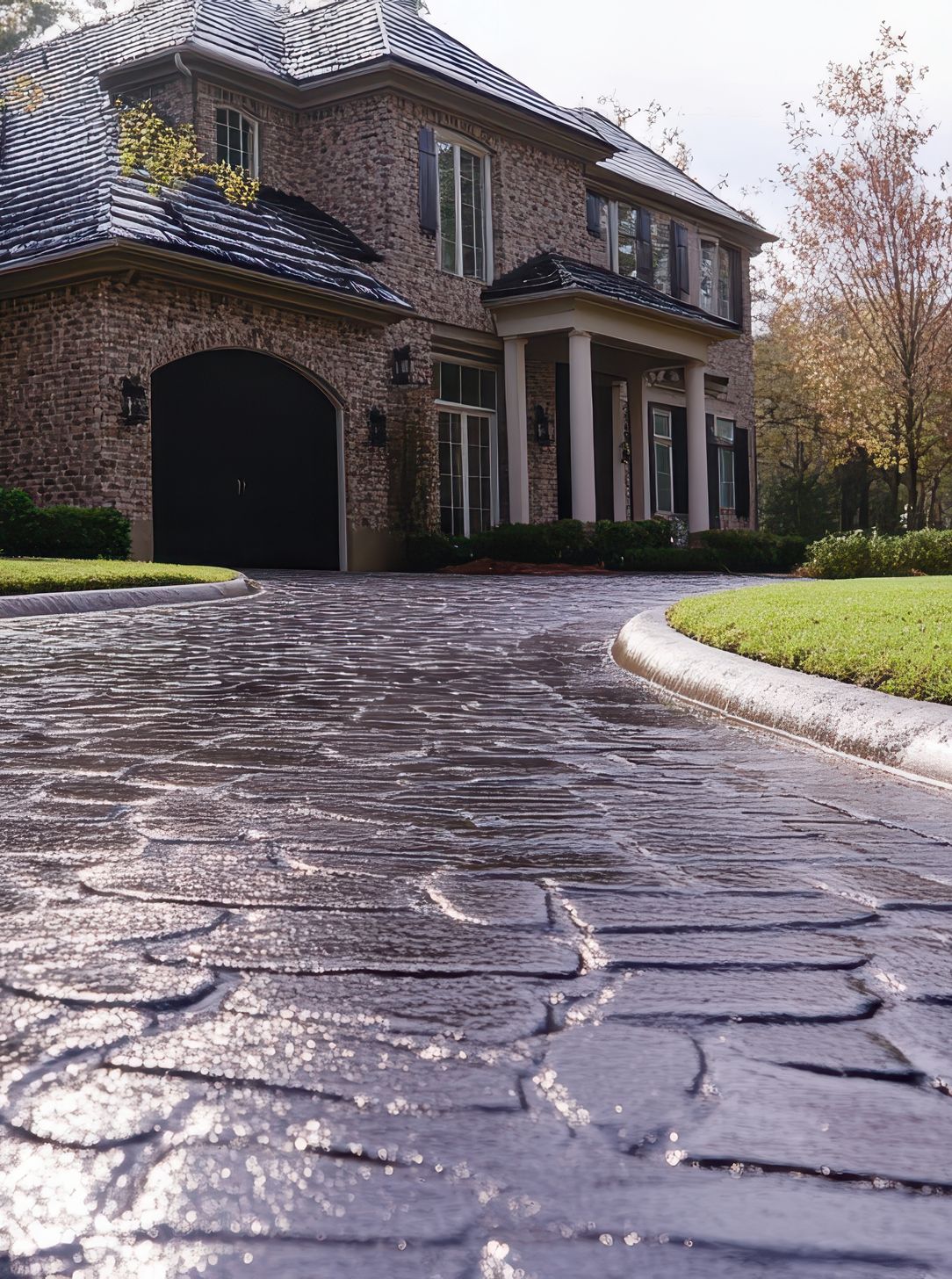
Driveways are exposed to weather, water runoff, and vehicle traffic. Sealing helps limit moisture penetration and surface staining while slowing down general wear. For many homeowners, sealing is a way to keep driveways looking more consistent and manageable without committing to resurfacing or replacement.
Walkways, Sidewalks, and Entry Slabs
Walkways and entry areas experience steady foot traffic and frequent moisture exposure. Sealing helps protect these surfaces from surface wear and staining while supporting long term durability in areas that are used every day.
Get Free QuoteWhy Unsealed Concrete Breaks Down Over Time
Moisture Absorption and Surface Degradation
Concrete is porous by nature. When water absorbs into the surface, it contributes to gradual wear and internal stress. Over time, this leads to surface fatigue and a rougher appearance, especially in areas that stay damp or shaded.
Staining From Oil, Salt, and Organic Material
Oil, salt, leaves, and organic debris penetrate bare concrete easily. Once stains soak in, they become harder to remove. Sealing helps limit how deeply those materials absorb, making cleanup easier and reducing long term discoloration.
Dusting and Surface Wear
Unsealed concrete can slowly shed fine particles as the surface wears. Sealing helps reduce this dusting effect by stabilizing the surface and limiting abrasion from daily use.
Our Approach to Concrete Sealing
Surface Evaluation Before Sealing
Every sealing project begins with an evaluation of the concrete. We look at surface condition, existing damage, and overall suitability for sealing. If cracks or structural issues are present, we explain why sealing should wait until those concerns are addressed.
Cleaning and Preparation
Proper preparation allows the sealer to penetrate evenly. We clean the surface to remove buildup, residue, and contaminants that interfere with absorption. This step is handled with sealing performance in mind rather than as a standalone cleaning service.
Penetrating Sealer Application
We apply penetrating sealers that protect concrete without creating a thick surface film. These products reduce absorption while allowing the concrete to breathe, which helps maintain its natural appearance.
Cure Time and Use Guidelines
After application, concrete needs time to cure properly. We walk homeowners through timing expectations so garages, driveways, and walkways are used at the right point without compromising the seal.
Get Free QuoteWhen Concrete Sealing Makes Sense
New or Bare Concrete
Sealing new or relatively bare concrete helps protect the surface early and slow down wear before stains and moisture have time to take hold.
High Use Areas
Garages and driveways that see regular use benefit from sealing because it reduces absorption and simplifies ongoing maintenance.
Concrete That Is Structurally Sound
Sealing performs best when the concrete surface is intact and stable. In these cases, sealing helps preserve what is already there rather than covering up deeper issues.
When Concrete Sealing Is Not Recommended
Cracked or Structurally Compromised Concrete
Sealing does not repair cracks or restore failing concrete. When damage is present, sealing can trap moisture or delay proper repairs.
Surfaces Needing Repair or Resurfacing First
If concrete needs patching, resurfacing, or structural correction, those steps should be handled before sealing is considered.
Get Free QuoteFrequently Asked Questions About Concrete Sealing
How Long Does Concrete Sealing Typically Last?
Concrete sealing typically lasts several years, but longevity depends on how the surface is used and how much exposure it receives. Driveways and garages tend to wear faster due to vehicle traffic, tire friction, and moisture, while walkways and lightly used slabs often hold protection longer. Resealing schedules are discussed based on the specific surface rather than a one-size timeline.
Is Concrete Sealing The Same As Epoxy Flooring?
No. Concrete sealing is a protective treatment that penetrates the surface to reduce moisture absorption and staining. Epoxy and polyurea systems are thick coatings that sit on top of the concrete and change its appearance. Sealing preserves the natural look of concrete, while epoxy and polyurea are decorative flooring systems with a different purpose and cost structure.
Will Sealing Change The Look Of My Concrete?
Penetrating concrete sealers are designed to maintain the natural appearance of the surface. They do not add color, gloss, or texture. The goal is protection and easier maintenance rather than visual transformation.
Can Sealed Concrete Still Be Cleaned?
Yes. In fact, sealed concrete is usually easier to clean than unsealed surfaces. Because moisture and stains do not absorb as deeply, routine cleaning is more effective and less aggressive methods can often be used.
Does Sealing Protect Against Oil, Salt, And Moisture?
Sealing helps reduce absorption from oil drips, road salt, and moisture, which are common issues on driveways and garage floors. While sealing does not make concrete completely stain-proof, it slows penetration and gives homeowners more time to clean spills before they leave lasting marks.
How Soon Can I Use The Surface After Sealing?
Light foot traffic is often possible within a day, though cure times vary depending on the sealer used and site conditions. Driveways and garages typically require additional time before vehicle traffic is recommended. Specific guidance is provided after application.
Is Concrete Sealing Suitable For Older Concrete?
Older concrete can often be sealed successfully if the surface is structurally sound and properly prepared. During evaluation, we look for cracks, surface breakdown, or past repairs that may affect how well sealing performs. If sealing is not appropriate, we explain why before any work begins.
How Much Does Concrete Sealing Typically Cost Compared To Epoxy Or Polyurea?
Concrete sealing is generally much more affordable than epoxy or polyurea coatings. Sealing costs are usually a fraction of coating systems because there is no thick build layer, decorative material, or multi-step installation process. Epoxy and polyurea floors often cost several times more and are designed for appearance and heavy-duty use, while sealing focuses on protection and longevity.
How Often Should Concrete Be Resealed?
Many homeowners reseal every few years, depending on surface use and exposure. High-use areas such as driveways may require more frequent attention than walkways or lightly used slabs. Resealing intervals are based on performance rather than a fixed schedule.
When Should Concrete Sealing Be Avoided?
Sealing should be avoided when concrete is cracked, spalling, or structurally compromised. In those cases, sealing can trap moisture or delay proper repairs. We always evaluate surface condition first and recommend sealing only when it makes sense.
What Areas Do You Serve For Concrete Sealing?
The Poly Guys provide concrete sealing services throughout Naperville and surrounding communities. We regularly work in nearby areas such as Lisle, Warrenville, Woodridge, Aurora, Plainfield, and Oswego. If you are unsure whether your property falls within our service area, we are happy to discuss it during your initial call.
Schedule Concrete Sealing In Naperville
If your garage floor, driveway, or walkway is in good condition and you want to protect it from moisture, stains, and surface wear, concrete sealing may be a good fit. The Poly Guys LLC provides straightforward evaluations, honest recommendations, and hands on service from start to finish. To schedule a walkthrough or discuss concrete sealing in Naperville, call (331) 333-0363 today.
Get Free Quote