



Paver Sealing Naperville: Patio, Driveway, Walkway + More
Paver sealing is about protecting outdoor surfaces that are already in good shape, and keeping them that way. When patios, walkways, and driveways are clean, level, and structurally sound (which we can also help with), sealing helps lock in joint sand, reduce staining, and slow down everyday wear. The Poly Guys LLC provides professional paver sealing services throughout Naperville and nearby areas, and we help homeowners extend the life of their outdoor spaces without unnecessary repairs. To talk through your project or schedule a walkthrough, call (331) 333-0363.
Request Your Free EvaluationWhat Paver Sealing Is Designed to Do
Sealing is a preventative service. It does not fix sinking pavers or correct base problems, but it plays a major role in preserving surfaces that are already stable. A properly applied sealer helps reduce moisture absorption, limits surface staining, and protects joint sand from erosion. Over time, this means fewer weeds, less discoloration, and a patio or driveway that holds its appearance longer with less routine maintenance.
Many homeowners consider sealing after investing in new pavers or after a deep cleaning has restored their appearance. When used appropriately, sealing slows down the natural breakdown that comes from foot traffic, weather exposure, and regular use.
Surfaces That Commonly Benefit From Sealing
Patios and Outdoor Living Spaces
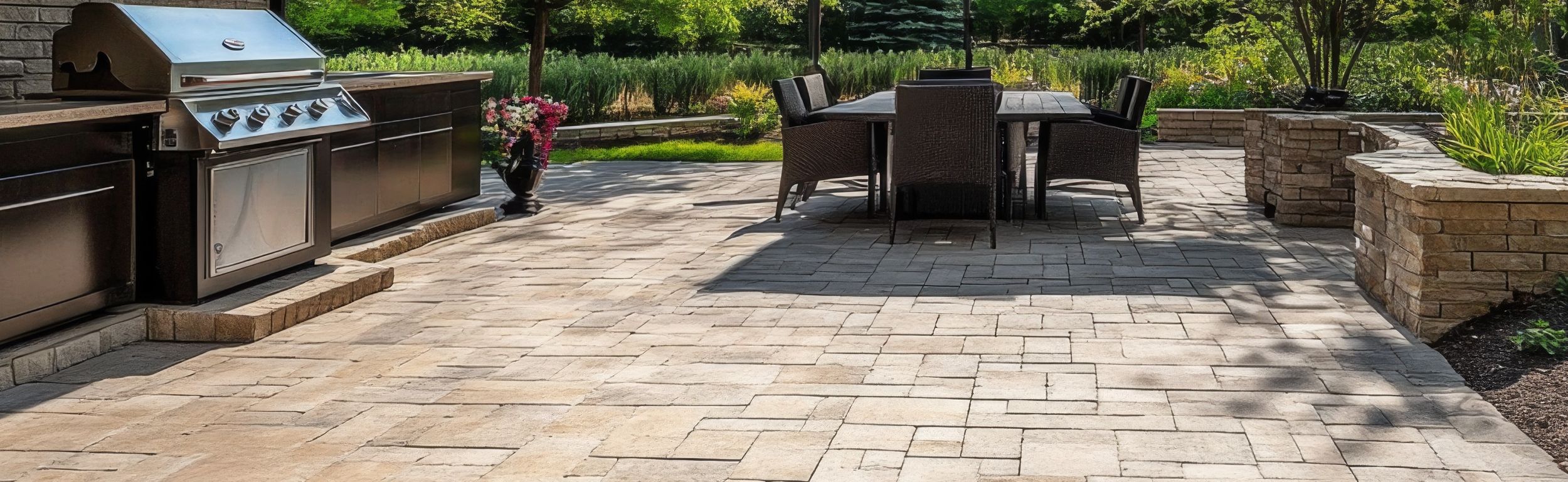
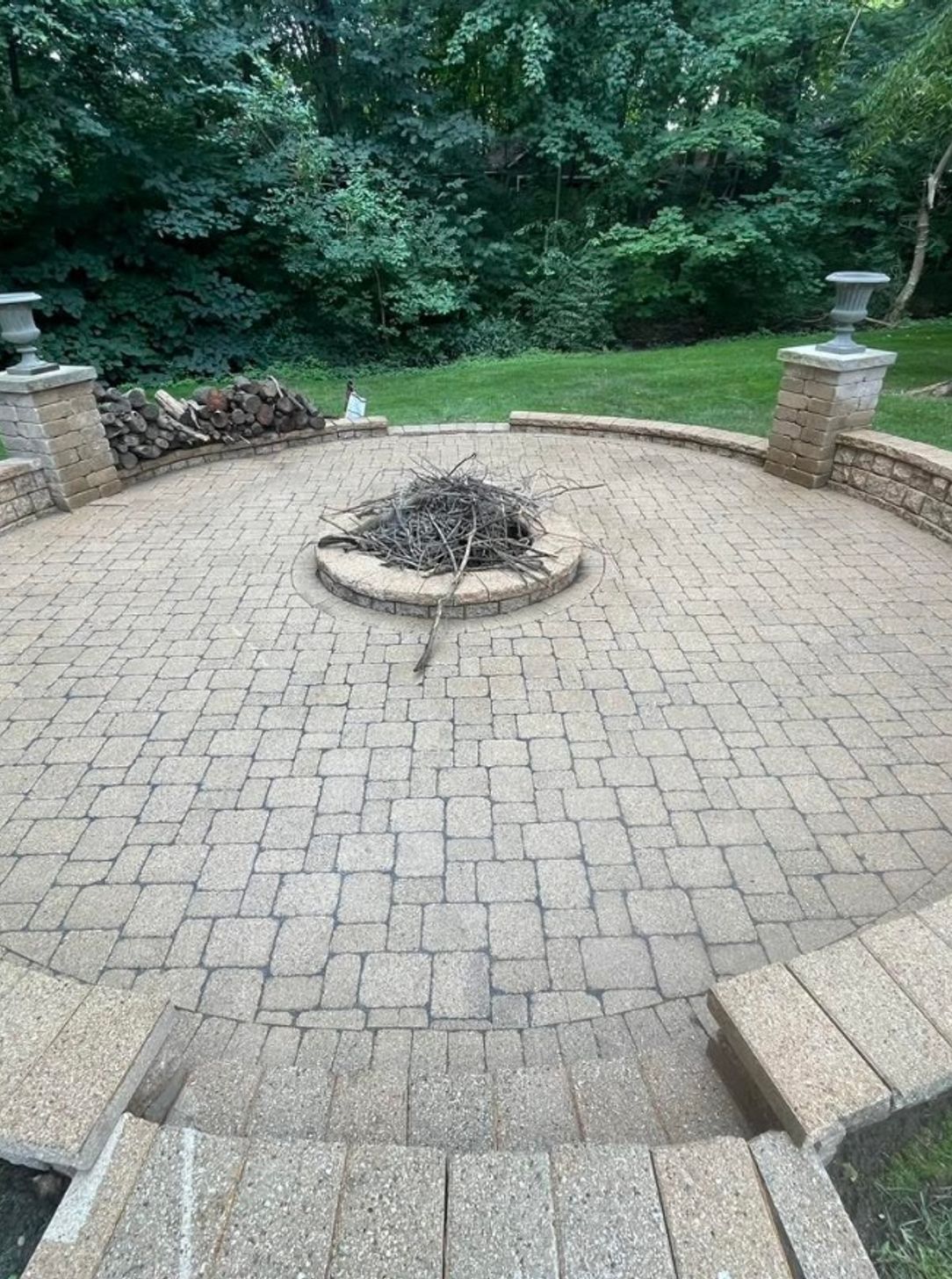
Patios see constant use, from furniture being shifted to food and drink spills during gatherings. Sealing helps protect the surface from staining while also reducing how easily moisture and organic material soak into the pavers. This keeps patios easier to clean and helps them maintain a consistent appearance over time, especially in shaded or high-use areas.
Walkways and Entry Paths
Walkways often experience joint sand loss faster than patios due to foot traffic and water runoff. Sealing helps stabilize those joints and reduce surface wear along edges and transitions. In some cases, slip-resistant additives can be incorporated to improve traction without changing how the surface looks.
Driveways and High-Traffic Areas
Driveways face heavier wear from vehicles, oil drips, and seasonal exposure. Sealing creates a protective barrier that helps limit oil penetration and surface breakdown. While sealing does not prevent all marks, it makes cleanup easier and slows down discoloration caused by repeated vehicle use.
Get Free QuoteOur Paver Sealing Process
Surface Evaluation Before Sealing
Every sealing project starts with an honest assessment. We look at surface stability, joint condition, and overall wear to determine whether sealing is appropriate. If pavers are loose, uneven, or missing significant joint sand, sealing may need to wait until those issues are addressed. Applying sealer to an unstable surface often causes more problems than it solves.
Cleaning and Surface Preparation
Sealer performance depends heavily on preparation. We thoroughly clean the surface to remove buildup, residue, and organic material so the sealer can bond properly. This step is not treated as restoration, but as preparation for long-term protection. Rushing this stage leads to uneven coverage and poor durability.
Joint Sand Stabilization
Sealing works hand-in-hand with joint sand. When polymeric sand is present and properly installed, sealing helps protect it from erosion caused by rain and foot traffic. This adds lateral support to the pavers and helps reduce weed intrusion over time.
Sealer Application and Cure
Once the surface is ready, we apply the selected sealer evenly and allow it to cure under the right conditions. Cure time depends on the product used and how the space is used. We walk homeowners through timing expectations so they know when patios or driveways can be used again without compromising the finish.
Get Free QuoteWhen Sealing Makes Sense (And When It Doesn't)
Good Candidates for Sealing
Sealing makes sense when pavers are level, joints are intact, and the surface is structurally sound. New installations, recently cleaned patios, and restored pavers that have had time to settle are often ideal candidates.
Situations That Require Restoration First
If pavers are sinking, shifting, or missing joint sand, sealing alone will not correct those issues. In those cases, restoration work should come first so the surface is stable before protection is added. We always explain this upfront so homeowners can make informed decisions rather than paying for work that will not last.
Types of Paver Sealers We Use
Penetrating Sealers
Penetrating sealers soak into the paver rather than sitting on top of it. These products help reduce moisture absorption and staining while keeping a natural appearance. They are often used when homeowners want protection without changing how the surface looks.
Film-Forming and Color-Enhancing Sealers
Film-forming sealers create a visible layer on the surface and can enhance color or add sheen. These are chosen when appearance is a priority and the surface condition supports that type of application. Finish options are discussed before any work begins.
Slip Resistance and Finish Options
In areas where traction matters, slip-resistant additives can be incorporated into the sealer. This is commonly considered for walkways, steps, and pool-adjacent spaces where safety is a concern.
Get Free QuoteFrequently Asked Questions About Paver Sealing
How Long Does Paver Sealing Last?
Most sealers last several years depending on traffic, exposure, and maintenance. High-use areas may require resealing sooner than patios with lighter use.
Will Sealing Make My Pavers Slippery?
When applied correctly and with the right product selection, sealing does not automatically create slippery surfaces. Additives can be used where traction is needed.
Does Sealing Prevent Weeds Completely?
Sealing helps protect joint sand and reduce weed growth, but no outdoor surface is entirely maintenance-free.
How Soon Can I Use the Patio After Sealing?
Light foot traffic is often possible within a day, but full cure times vary. We provide clear guidance before the project begins.
Does Sealing Change the Color of My Pavers?
Some sealers enhance color while others remain invisible. The choice depends on homeowner preference and surface condition.
Is Sealing Required After Restoration?
No. Sealing is optional and depends on goals for appearance and maintenance.
Can Sealed Pavers Be Cleaned Later?
Yes. In fact, sealed surfaces are often easier to clean than unsealed ones.
How Often Should Pavers Be Resealed?
Resealing schedules depend on traffic and exposure, but many homeowners reseal every few years.
Does Sealing Protect Against Oil Stains?
Sealing helps limit absorption and makes cleanup easier, though spills should still be addressed promptly.
Is Sealing Worth It for Older Patios?
It can be, as long as the surface is stable and properly prepared beforehand.
Schedule Paver Sealing in Naperville
If your patio, walkway, or driveway is in good condition and you want to protect it from wear, sealing may be the right next step. The Poly Guys LLC offers straightforward evaluations, clear recommendations, and hands-on service from start to finish. To schedule a walkthrough or ask questions about paver sealing, call (331) 333-0363 today.
Get Free Quote