



Patio + Paver Restoration Plainfield, IL: Sanding, Repair & More
Uneven pavers, disappearing joint sand, and patios that no longer drain properly are common signs that something has shifted beneath the surface. In many cases, these problems do not require tearing everything out and starting over. Patio and paver restoration focuses on correcting movement, rebuilding stability, and restoring function so existing surfaces can be used again with confidence. To schedule a walkthrough or talk through your patio, walkway, or driveway, call (331) 333-0363.
Request Your Free EvaluationDoes Paver Restoration Make Sense For Your Property?
Restoration is the right solution when the pavers themselves are still in good condition, but the surface no longer performs the way it should. This often shows up as isolated low spots, loose sections, or joints that continue to wash out no matter how often they are refilled. Over time, these issues tend to spread if left alone.
Restoration allows problem areas to be corrected without disturbing stable sections of the patio or walkway. Instead of removing large areas that do not need work, the focus stays on addressing what failed underneath and rebuilding support where it is missing. This approach helps control cost, reduces disruption, and often extends the life of the original installation by many years.
Problems Restoration Is Designed to Correct
Settlement and Surface Movement
Most paver movement happens gradually. Base material compresses, washes out, or shifts just enough to allow sections of the surface to drop. At first, this might only feel like a slight dip underfoot. Over time, those low spots collect water, increase wear on surrounding pavers, and create trip hazards. Restoration corrects settlement by lifting affected areas, addressing the base below, and resetting pavers so the surface sits evenly again.
Joint Failure and Loss of Structural Support
Joint sand does more than keep pavers looking neat. It provides lateral support that helps distribute weight across the surface. When sand erodes, pavers begin to move independently. Gaps widen, edges loosen, and the surface loses its integrity. Restoration rebuilds joint strength by removing failing material and installing fresh polymeric sand that locks pavers together and stabilizes the system as a whole.
Drainage Changes and Water Pooling
Even small changes in slope can affect how water moves across a patio or walkway. Settlement often alters pitch just enough to create pooling where water once drained cleanly. Standing water accelerates erosion, encourages organic growth, and shortens the life of the surface. Restoration includes correcting grade where needed so water flows away instead of collecting in low areas.
Surface Conditions That Signal Deeper Issues
Stains, moss, weeds, and buildup are often treated as cosmetic problems, but they are frequently symptoms of movement and poor drainage. Areas that stay damp longer than they should are more likely to grow moss or develop discoloration. Restoration addresses these conditions by correcting the underlying issues rather than repeatedly cleaning the surface without solving the cause.
Get Free QuoteWhat Goes Into a Proper Restoration
Assessing Stability and Underlying Conditions
Restoration begins with a hands-on evaluation of the surface. Walking the patio, checking transitions, and paying attention to how pavers respond to weight helps identify soft spots and unstable edges. We also look at how the surface ties into surrounding areas, including borders and steps, since movement often starts at the perimeter before spreading inward.
Selective Removal and Base Correction
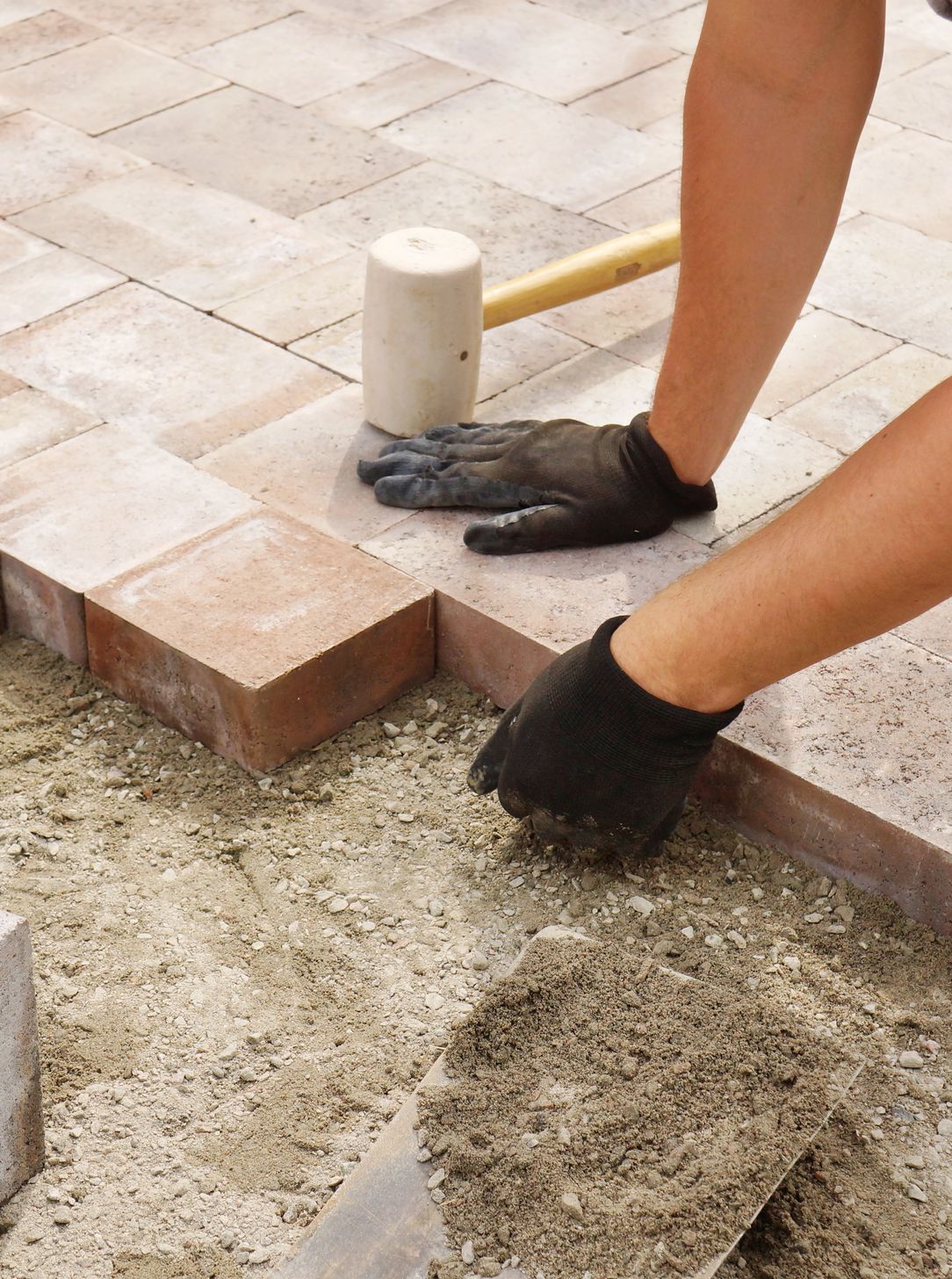
Rather than pulling up the entire surface, restoration targets the areas that have failed. Pavers are removed by hand, allowing the base below to be exposed and evaluated. In some cases, compacted material needs to be reworked. In others, additional correction is needed to address erosion or slope issues. The goal is to rebuild a stable foundation that can support the surface long-term.
Resetting Pavers for Alignment and Pitch
Once the base is corrected, pavers are reset to match surrounding elevations and restore a consistent surface. Care is taken to maintain alignment and spacing so restored sections blend cleanly with areas that did not need work. Proper pitch is re-established to support drainage and reduce future movement.
Re-Sanding and Joint Reinforcement
Fresh polymeric sand is installed and worked into the joints to restore lateral support. This step plays a major role in how well the repair holds over time. Proper joint reinforcement helps distribute load, limits movement, and reduces opportunities for weeds to take hold.
Optional Protection After Restoration
After the surface is stable again, sealing can be discussed as a follow-up option. Some homeowners want added surface protection or color enhancement, while others prefer to leave the pavers unsealed. Sealing is treated as a separate decision, not a required part of restoration, and is only recommended when it makes sense for the surface and how it is used.
Get Free QuotePatio and Walkway Surfaces Commonly Restored
Patios Used for Entertaining and Daily Traffic
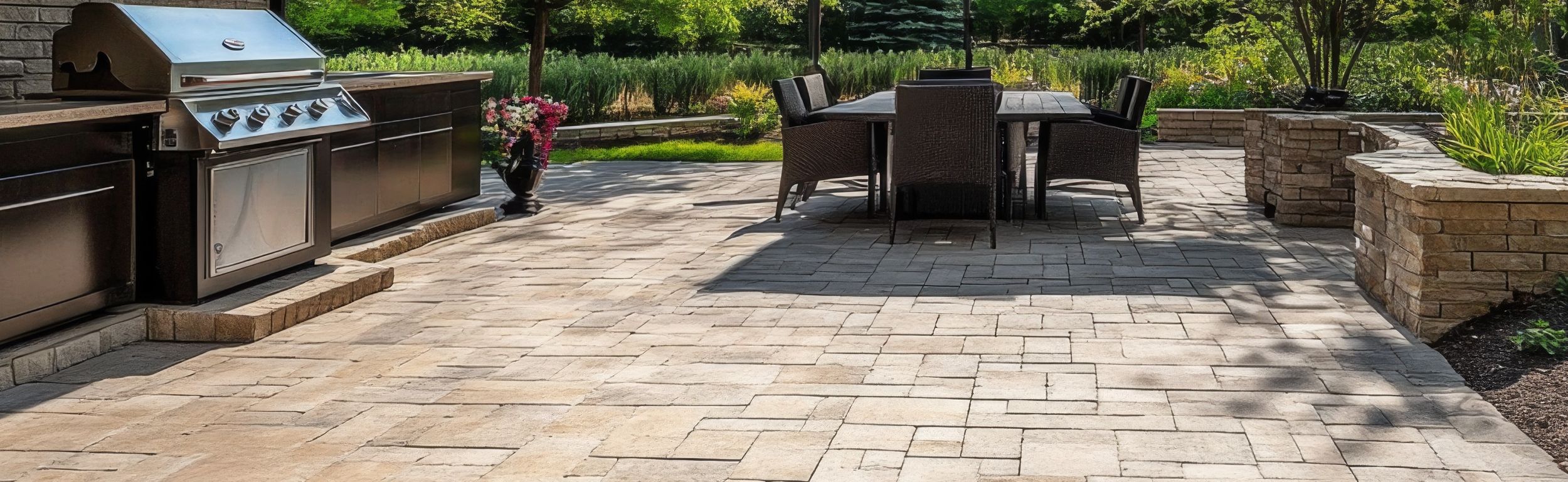
High-use patios tend to show movement first, especially in seating and dining areas where weight is concentrated. Restoration helps return these spaces to a level, comfortable surface that can handle regular use.
Walkways, Pool Decks, and Transitional Areas
Walkways and transitional areas often settle unevenly due to narrow bases or edge exposure. Restoration corrects these areas to improve safety and create smoother transitions between spaces.
Driveway Edges and Entry Sections
Driveway borders and entry sections experience repeated loading and water runoff. Restoring these areas helps prevent movement from spreading into adjacent surfaces.
Get Free QuoteFrequently Asked Questions About Paver Restoration
Can a patio be restored if only part of it has sunk?
Yes. Many projects focus on correcting problem areas while leaving stable sections untouched. As long as surrounding pavers are secure, targeted restoration is often effective.
What causes pavers to shift over time?
Common causes include base settlement, erosion, drainage issues, root pressure, and seasonal moisture changes. Restoration addresses both the surface movement and what is happening beneath it.
Is restoration disruptive?
Restoration is far less disruptive than replacement. Work is done in sections, pavers are handled by hand, and most projects are completed within a few days.
Will restored pavers stay level long-term?
When base issues and joint stability are corrected properly, restored surfaces can remain stable for many years. Longevity depends on drainage, soil conditions, and surface use.
Do weeds come back after restoration?
Polymeric sand significantly reduces weed growth, though no outdoor surface is completely maintenance-free. Restoration improves resistance compared to washed-out joints.
Can drainage problems be fixed during restoration?
If settlement has altered slope or created low spots, restoration can often restore proper drainage as part of the process.
Does restoration change how the patio looks?
The goal is to preserve the existing appearance while improving function. Any visual changes are discussed before work begins.
Is sealing required after restoration?
No. Sealing is optional and depends on surface condition, exposure, and homeowner goals.
How soon can the patio be used again?
In most cases, patios can be walked on shortly after completion. Timing for furniture and heavier use is reviewed during the project.
When is replacement the better option?
Replacement is typically only recommended when pavers are failing structurally or the base cannot be corrected without full removal.
What Areas Do You Serve In and Around Plainfield?
The Poly Guys provide patio and paver restoration services throughout Plainfield and the surrounding communities. This includes neighboring towns such as Naperville, Aurora, Oswego, Yorkville, Bolingbrook, Joliet, and other parts of the western suburbs. If you are unsure whether your property falls within our service area, we are happy to confirm during a quick phone call or walkthrough request.
Schedule Patio and Paver Restoration in Plainfield, IL
If your patio or walkway feels uneven, drains poorly, or no longer holds together the way it should, restoration may be the right solution. The Poly Guys provide on-site evaluations in Plainfield to determine what repairs make sense and which services can wait. To schedule a walkthrough or discuss your project, call (331) 333-0363.
Get Free Quote