



Patio + Paver Restoration Aurora: Sanding, Repair & More
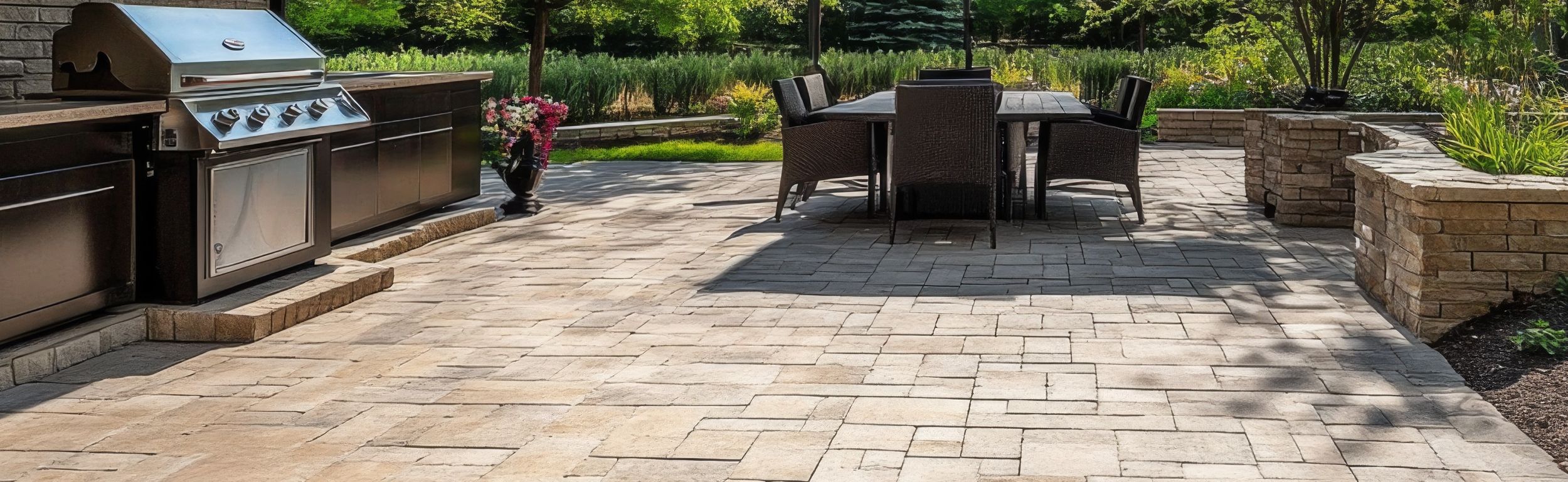
Patios and walkways in Aurora tend to fail slowly. One edge drops. A few joints disappear. Water starts sitting where it never used to. Over time, the surface stops feeling solid, even though the pavers themselves still look fine. In many cases, full replacement is not necessary. The Poly Guys LLC provide patio and paver restoration services throughout Aurora that address movement below the surface, reset unstable areas, and bring outdoor spaces back into everyday use. To talk through your patio or schedule an on-site evaluation, call (331) 333-0363.
Request Your Free EvaluationA Restoration-First Approach, Not a Cover-Up
Restoration work requires a different mindset than routine cleaning or cosmetic fixes. At The Poly Guys, we focus on why a patio shifted in the first place and whether the base, joints, or drainage contributed to the problem. As owners, we stay involved from the first visit through completion, which helps keep recommendations practical and avoids unnecessary upsells. Ongoing training and hands-on experience with failed installations allow us to restore patios in a way that actually holds up, not just looks better for a season.
Common Signs a Patio in Aurora Needs Restoration
Uneven Surfaces and Soft Spots
When sections of a patio feel unstable or sit lower than surrounding areas, the issue usually starts beneath the pavers. These spots often worsen with time and seasonal moisture.
Missing Joint Sand and Spreading Gaps
Joint sand loss allows pavers to shift independently. Once gaps open up, weeds move in and the surface begins to lose its integrity.
Drainage Changes After Heavy Rain
If water pools in areas that used to drain, the patio may no longer be pitched correctly. Settlement often alters slope just enough to create ongoing moisture problems.
Worn, Stained, or Overgrown Surfaces
Moss, staining, and buildup are often symptoms of movement and poor drainage rather than surface neglect alone.
Get Free QuoteHow We Restore Patios and Walkways
Evaluating Movement and Base Conditions
We start by walking the surface and identifying where movement has occurred and how it connects to surrounding areas. Water flow, edge restraint, and base condition all factor into the plan.
Correcting Grade and Resetting Pavers
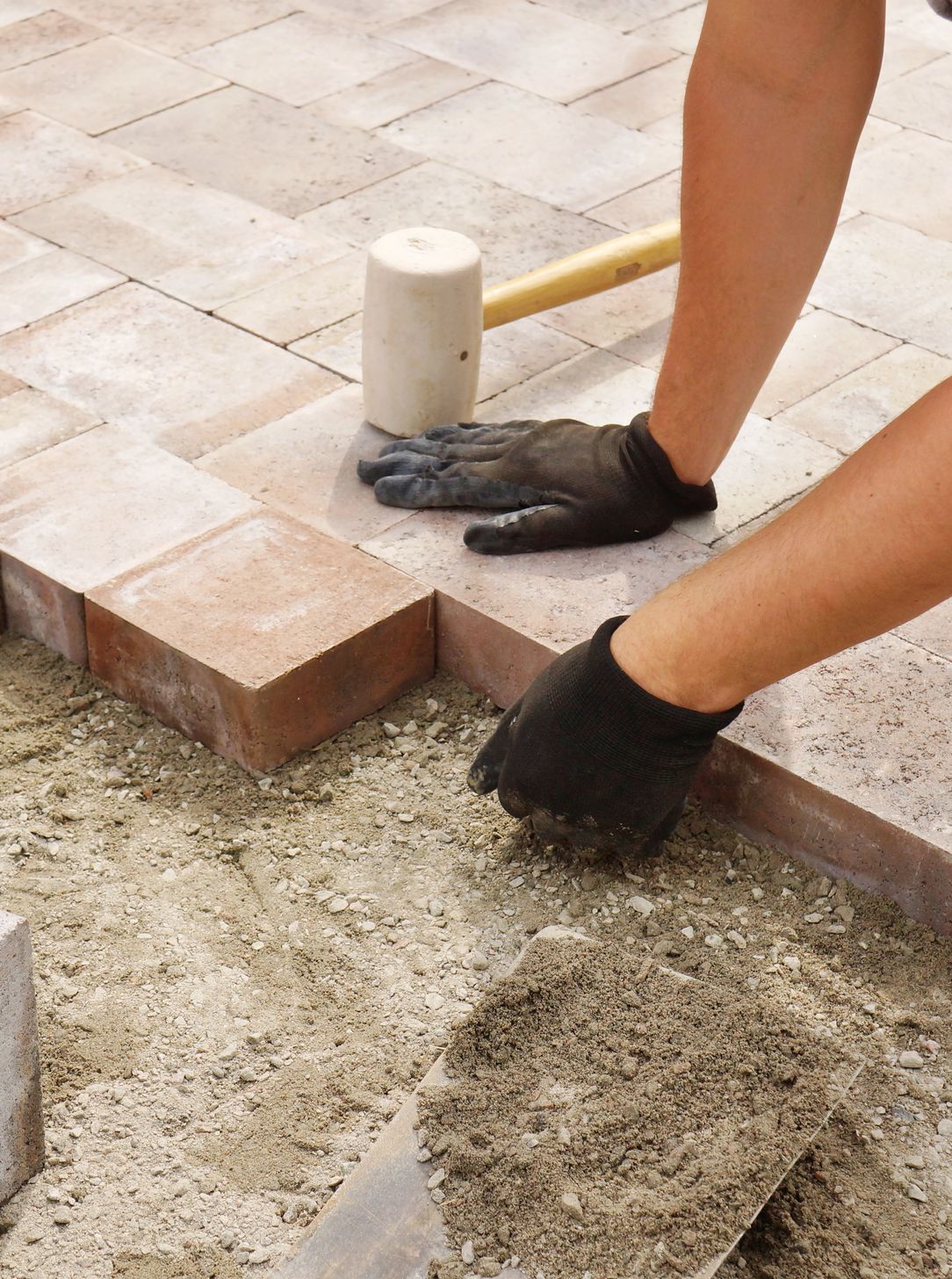
We remove affected pavers by hand, correct the base below, and adjust grade where needed so water moves away from the surface. Pavers are then reset to blend cleanly with stable sections.
Rebuilding Joint Stability
Fresh polymeric sand is installed and worked into the joints to restore lateral support. This step helps prevent repeat movement and limits weed growth.
Discussing Protection Options
Once the patio is stable, we review whether surface sealing makes sense based on exposure, use, and long-term goals. Sealing is optional and discussed separately from restoration.
Get Free QuotePatio Materials We Restore Across Aurora
Brick and Concrete Pavers
Common in many Aurora neighborhoods, these surfaces respond well to restoration when settlement and joint loss are handled correctly.
Natural Stone Surfaces
Flagstone and similar materials require careful handling to maintain spacing and character while correcting movement.
Older and Patterned Layouts
Herringbone patterns and mixed installs often shift in specific zones. Restoration focuses on those areas while preserving the original layout.
Get Free QuoteFrequently Asked Questions About Paver Restoration
Can a patio be restored if only part of it has sunk?
Yes, and this is actually very common. In many Aurora patios, only certain sections settle due to localized base washout, drainage patterns, or edge movement. Restoration allows us to focus on those problem areas rather than disturbing the entire surface. As long as the surrounding pavers are stable, targeted restoration can correct the issue without the cost or disruption of a full teardown.
What usually causes pavers to shift in Aurora?
Most shifting happens gradually. Base settlement, erosion from poor drainage, and seasonal moisture changes all play a role. Freeze-thaw cycles can loosen base material over time, especially in areas where water does not drain properly. Root pressure and edge restraint failure can also contribute. Restoration addresses both the visible movement and the conditions beneath the surface.
Is restoration disruptive to my property?
Compared to replacement, restoration is relatively low-impact. We remove and reset pavers by hand, work in defined sections, and avoid unnecessary demolition. Most projects are completed within a few days, and the surrounding landscape is typically left undisturbed. We walk through access points and work areas ahead of time so there are no surprises.
Will restored pavers stay level long-term?
When restoration includes proper base correction and joint stabilization, pavers can remain stable for many years. Longevity depends on factors such as drainage, soil conditions, and how the surface is used. Our goal is to correct the underlying cause of movement rather than applying a short-term fix that will need attention again soon.
Do weeds come back after restoration?
Fresh polymeric sand significantly reduces weed growth by locking joints and limiting space for seeds to take hold. That said, no outdoor surface is completely maintenance-free. Occasional organic debris can still allow growth over time, but restoration greatly improves resistance compared to washed-out or open joints.
Can drainage issues be corrected during restoration?
In many cases, yes. If settlement has changed the slope of the patio or created low spots, restoration can reset pavers to improve water flow. We look closely at how water moves across the surface and where it exits so pooling issues are addressed as part of the repair whenever possible.
Does restoration change how the patio looks?
The intent is to preserve the existing appearance while improving stability and function. Pavers are reset to maintain spacing and pattern alignment, not redesign the surface. Any changes, such as cleaning results or optional sealing, are discussed ahead of time so expectations are clear.
Is sealing required after restoration?
No. Sealing is optional and depends on how the patio is used, how much exposure it gets, and what the homeowner wants long-term. Some surfaces benefit from added protection, while others perform well without it. We treat sealing as a separate decision rather than a default part of restoration.
How soon can the patio be used after restoration?
In most cases, patios can be walked on shortly after the work is complete. Cure time for joint sand or optional sealing may affect when furniture can be replaced or heavier use can resume. We go over timing during the project so you know exactly what to expect.
When is replacement the better option?
Replacement is usually only recommended when pavers are structurally failing, severely damaged, or when the base cannot be corrected without full removal. If restoration is not the right solution, we will explain why and outline what replacement would involve so you can make an informed decision.
Schedule Patio and Paver Restoration in Aurora
If your patio feels uneven, drains poorly, or no longer holds together the way it should, restoration may be the right next step. The Poly Guys provide on-site evaluations throughout Aurora to determine what repairs make sense and what can be left alone. To schedule a walkthrough or discuss your project, call (331) 333-0363.
Get Free Quote